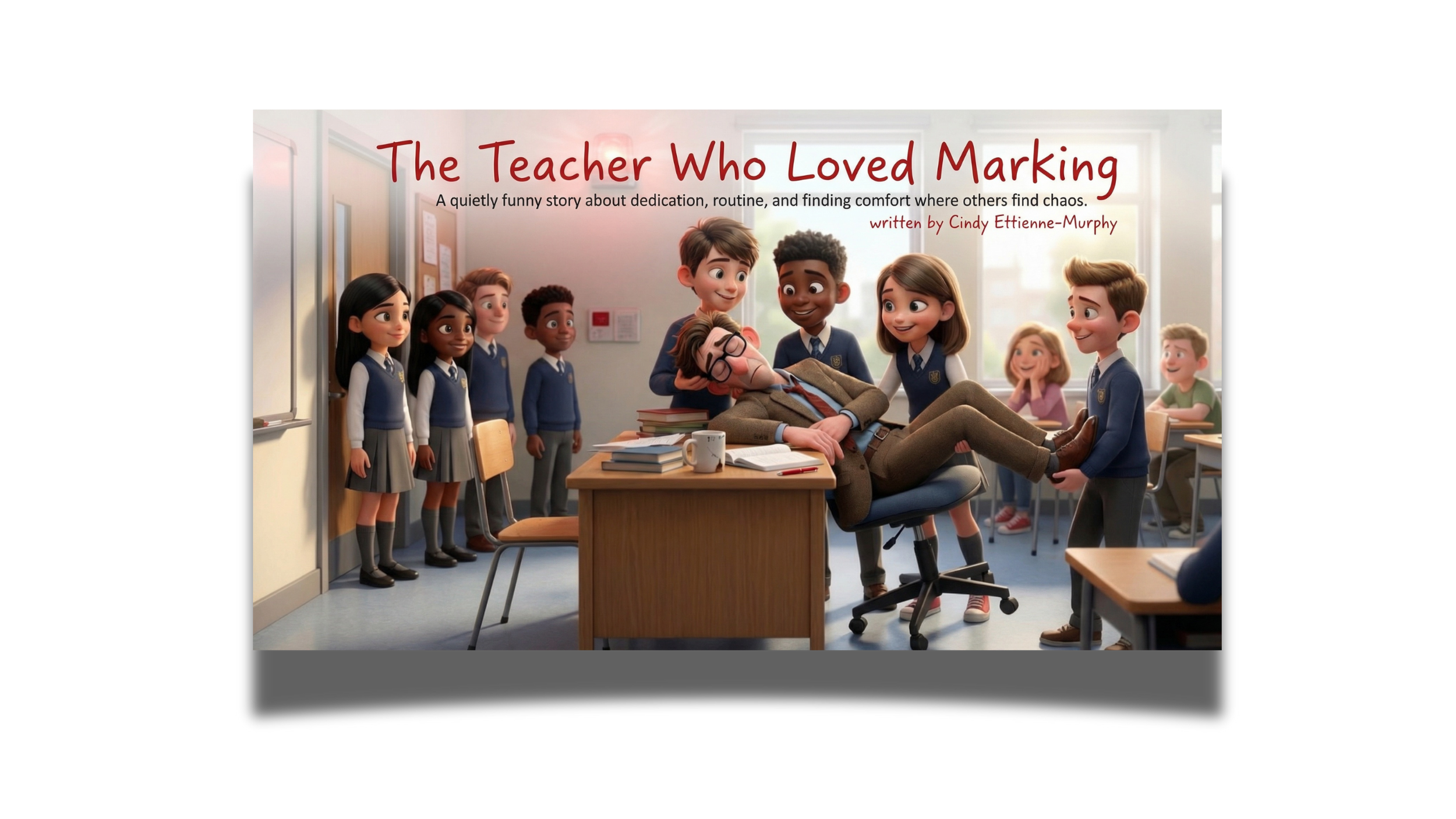


Author: Cindy Ettienne-Murphy
Cindy Ettienne-Murphy is a UK-based educator, psychology student, and writer exploring the intersection of learning, mental health, neuroscience, and everyday wellbeing. She writes from lived experience as a dyslexic adult studying psychology while working towards doctoral research, with a particular interest in emotional regulation, burnout, and how modern life affects the brain.
With a background in education, including senior leadership, Cindy brings a practical, systems-aware perspective to wellbeing. Her work focuses on translating psychological and neuroscientific research into clear, accessible insights that people can actually use in daily life, especially those working in education or caring professions.
Writing focus
Cindy’s writing centres on:
Psychology and mental health in everyday life
Neuroscience explained in plain English
Dyslexia and neurodivergent learning experiences
Teacher wellbeing, burnout, and recovery
Study skills and adult learning
Emotional regulation and nervous system health
Reduced-sugar and dairy-free food habits that support energy and focus
Her approach is evidence-informed, reflective, and grounded in real-world experience. She aims to make complex ideas understandable without oversimplifying them or relying on motivational clichés.
Dyslexic Diaries
Cindy is the creator of Dyslexic Diaries, a reflective and educational platform documenting life, study, and wellbeing through the lens of a dyslexic brain. The site combines diary-style writing with psychology-based insights, research notes, and practical tools designed to support mental health and sustainable living.
Dyslexic Diaries is written for adults who are learning later in life, working in high-pressure environments, or navigating burnout, stress, and cognitive overload. It is not intended as medical advice, but as thoughtful psychoeducation and lived reflection.
Academic interests
Cindy is currently studying psychology and preparing for PhD-level research. Her academic interests include:
Emotional regulation and wellbeing
Burnout and chronic stress
Neurodivergence and adult learning
The nervous system and mental health
The psychological impact of modern and digital environments
She writes openly about the realities of study, research preparation, and academic identity, particularly for mature and neurodivergent students.
Writing style and philosophy
Cindy writes with clarity, warmth, and honesty. Her work avoids toxic positivity and productivity culture, instead focusing on understanding how the brain and nervous system actually work. She believes wellbeing is not about optimisation, but about safety, sustainability, and self-understanding.
Her goal is simple: to help readers feel less confused by their own minds and more equipped to care for them.
The Neurodivergent
Brain


When Competence Feels Threatening
For a large part of my professional life, I thought my job was to prove I was capable.
Capable enough.
Prepared enough.
Smart enough.
Stable enough.
Articulate enough.
Enough, enough, enough.
It never occurred to me that the problem might not be my capability.
It might be someone else’s comfort.
There’s a particular kind of dynamic that happens in workplaces, especially in education, leadership, and institutions that pretend they’re progressive but still run on very old wiring.
You walk in competent.
You walk out questioning yourself.
And in between, nothing explicit happens.
No shouting.
No dramatic takedown.
Just micro-adjustments.
A raised eyebrow.
A “Are you sure?”
A suggestion repeated five minutes later by someone louder.
A compliment wrapped in surprise.
“Oh. You’ve really thought about this.”
“You’re more analytical than I expected.”
“You’re actually quite strategic.”
Actually.
That word does a lot of heavy lifting.
It implies there was a prior assumption.
And that assumption wasn’t flattering.
For years, I interpreted these moments as feedback.
Maybe I do need to be clearer.
Maybe I need to present stronger.
Maybe I need more evidence.
Maybe I need to soften it.
Maybe I need to harden it.
So I worked harder.
More qualifications.
More preparation.
More self-editing.
The irony?
The more capable I became, the more resistance I encountered.
That’s when it clicked.
Sometimes the issue isn’t whether you are capable.
It’s whether your capability disrupts someone else’s hierarchy.
Psychologically, this isn’t complicated.
When someone feels threatened, consciously or not, they regulate that discomfort somewhere.
Secure people regulate internally.
Insecure systems regulate externally.
And one of the easiest external regulators is doubt.
If I can make you question yourself, I don’t have to question myself.
If I can frame you as “still developing,” I don’t have to recalibrate my position.
If I can subtly position you as uncertain, emotional, inexperienced, intense, too much, not enough, I regain control of the narrative.
It doesn’t require malice.
It requires insecurity.
And institutions are full of it.
There’s a particular cruelty in environments that reward performance over perception.
You can name the pattern in the room, calmly, accurately and watch as someone reframes it as “overthinking.”
You can predict an outcome weeks before it happens, and when it does, the silence is deafening.
Not because you were wrong.
Because you were right in a way that made someone uncomfortable.
I used to exhaust myself trying to be undeniable.
As if undeniable was the goal.
But here’s the uncomfortable truth: if someone needs you to feel incapable, no amount of evidence will satisfy them.
Because their goal isn’t clarity.
It’s containment.
That’s a different game entirely.
This is where observation becomes more powerful than performance.
Instead of asking,
“How can I prove this better?”
Ask,
“Who benefits if I doubt myself?”
Instead of asking,
“Was that feedback fair?”
Ask,
“What shifts when I speak with certainty?”
Watch who interrupts you.
Watch who only agrees once authority echoes you.
Watch who reframes your insight as risk.
Watch who subtly praises you into smallness.
And then watch your body.
The body is rarely confused.
It tightens around subtle invalidation long before your brain formulates a defence.
That isn’t paranoia.
That’s pattern recognition.
It’s not cynical to notice this.
It’s informed.
And once you see it, something radical happens.
You stop scrambling.
You stop over-explaining.
You stop trying to become palatable.
You realise the issue was never your capability.
It was someone else’s discomfort with it.
This doesn’t mean everyone is threatened by you.
Most people aren’t.
Most colleagues are decent. Collaborative. Secure enough to coexist.
But some aren’t.
And the mistake we make, especially as reflective, neurodivergent, emotionally intelligent women, is assuming everyone is operating in good faith.
We assume the game is growth.
Sometimes the game is preservation.
There’s a difference.
Confidence, I’ve realised, isn’t about speaking louder.
It’s about no longer volunteering to shrink.
It’s about noticing when someone subtly nudges you into self-doubt and deciding not to step there.
It’s about holding your competence quietly and letting it be.
Not weaponising it.
Not broadcasting it.
Just trusting it.
Because here’s the real shift:
When you stop trying to prove you’re capable, you free up extraordinary energy.
Energy for thinking.
For building.
For creating.
For leading.
For writing the book.
For applying for the role.
For sending the document.
For staying in rooms you would have once fled.
You don’t need everyone to validate your intelligence.
You need the nerve to stop outsourcing it.
Observe the dynamics.
Observe the patterns.
Observe who needs you smaller.
And then, very calmly, opt out of that storyline.
You don’t have to become harder.
You don’t have to become louder.
You just have to become less willing to doubt what you already know.
And keep going anyway.


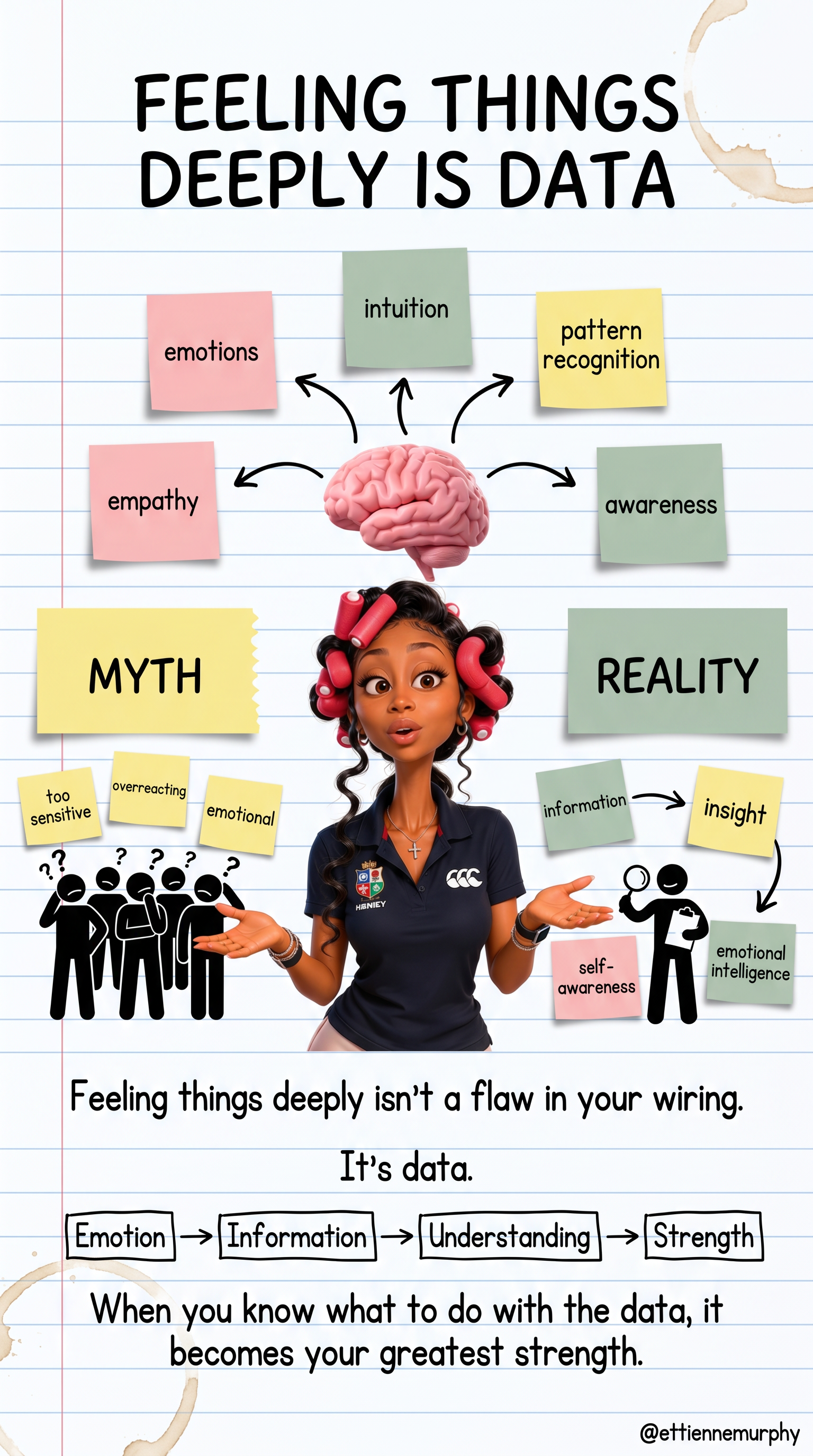
Making sense of a busy mind, one observation at a time.



New Books
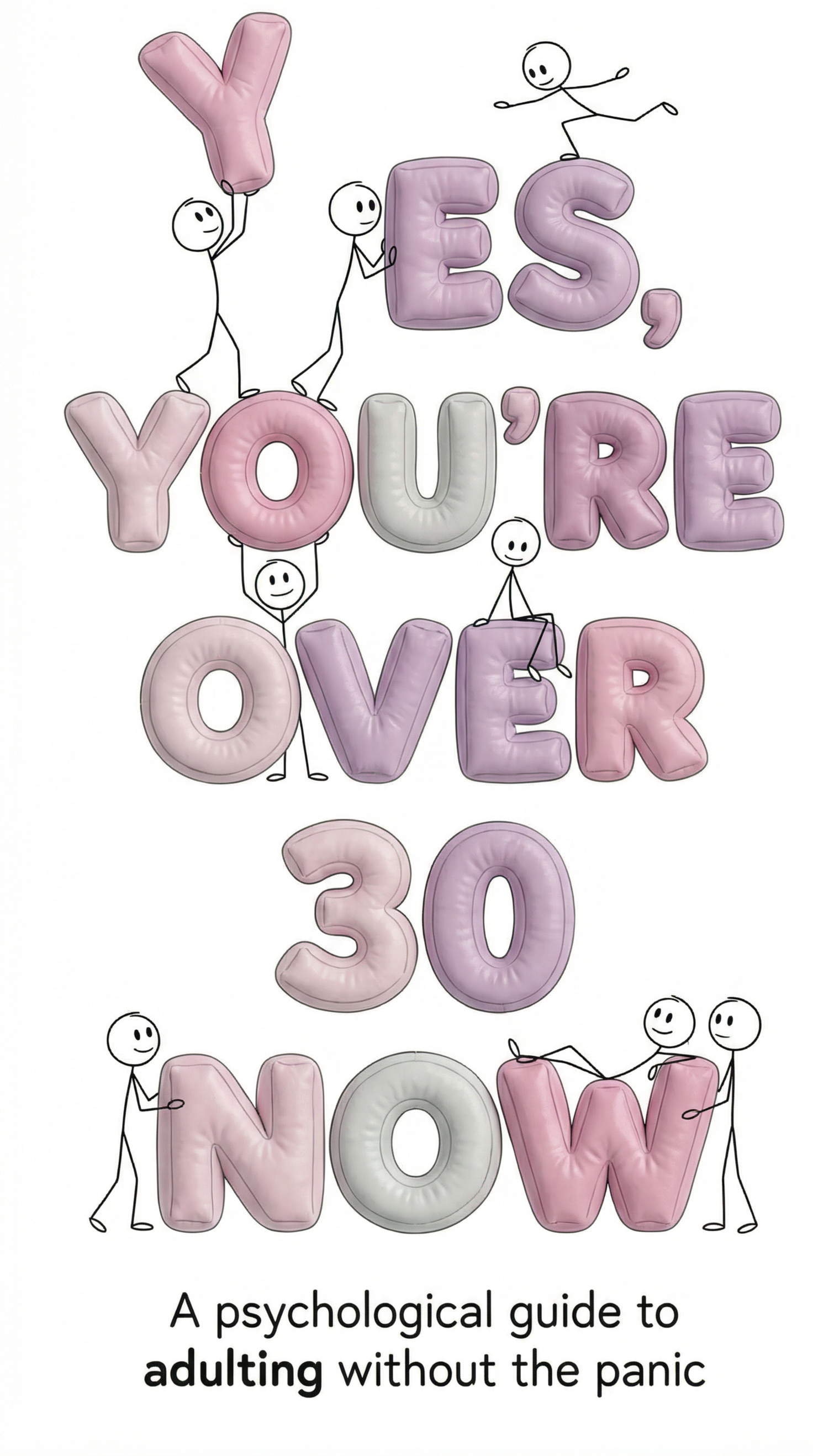
Yes,You’reOver 30 Now…
Written By Cindy Ettienne-Murphy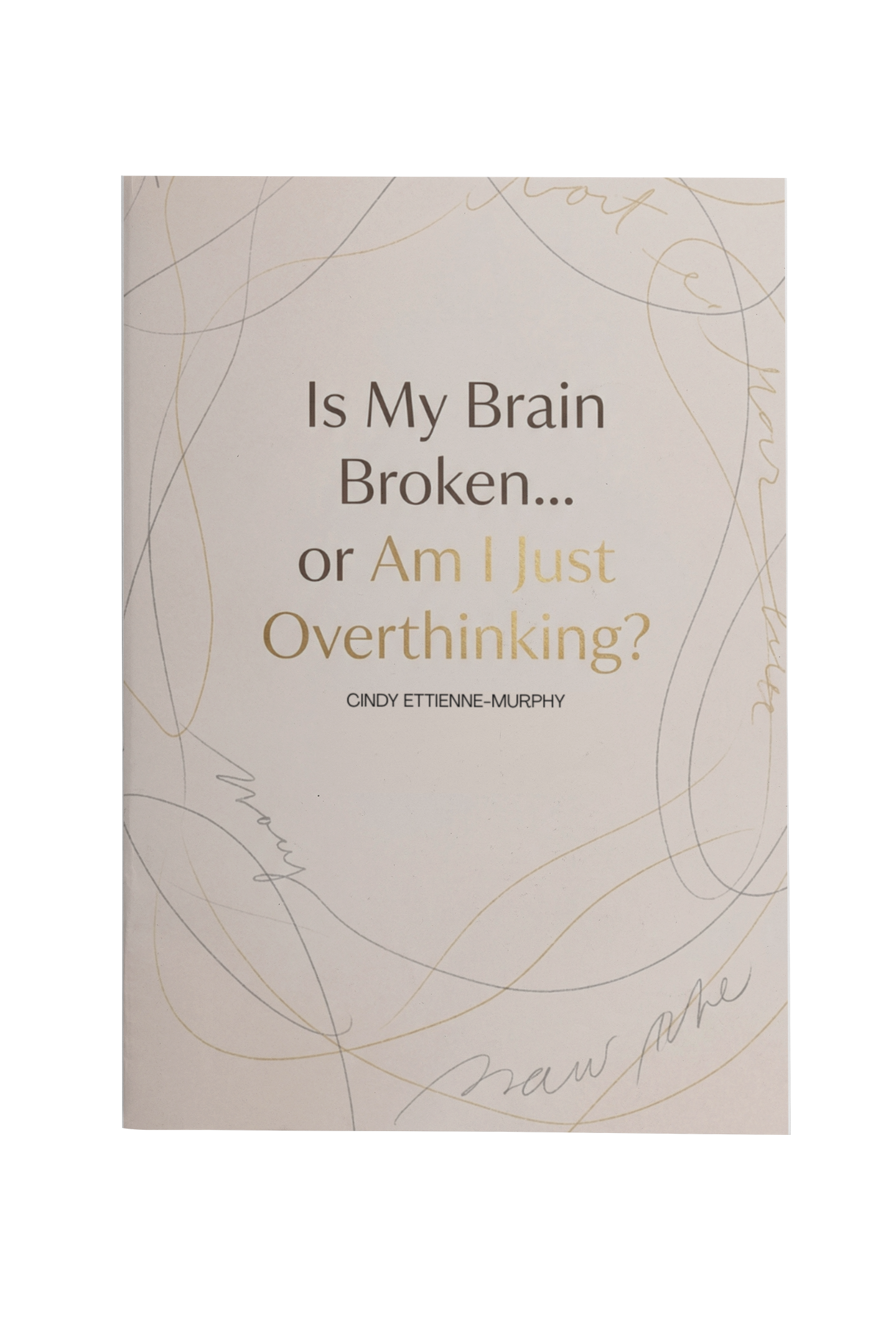
Written By Cindy Ettienne-Murphy